
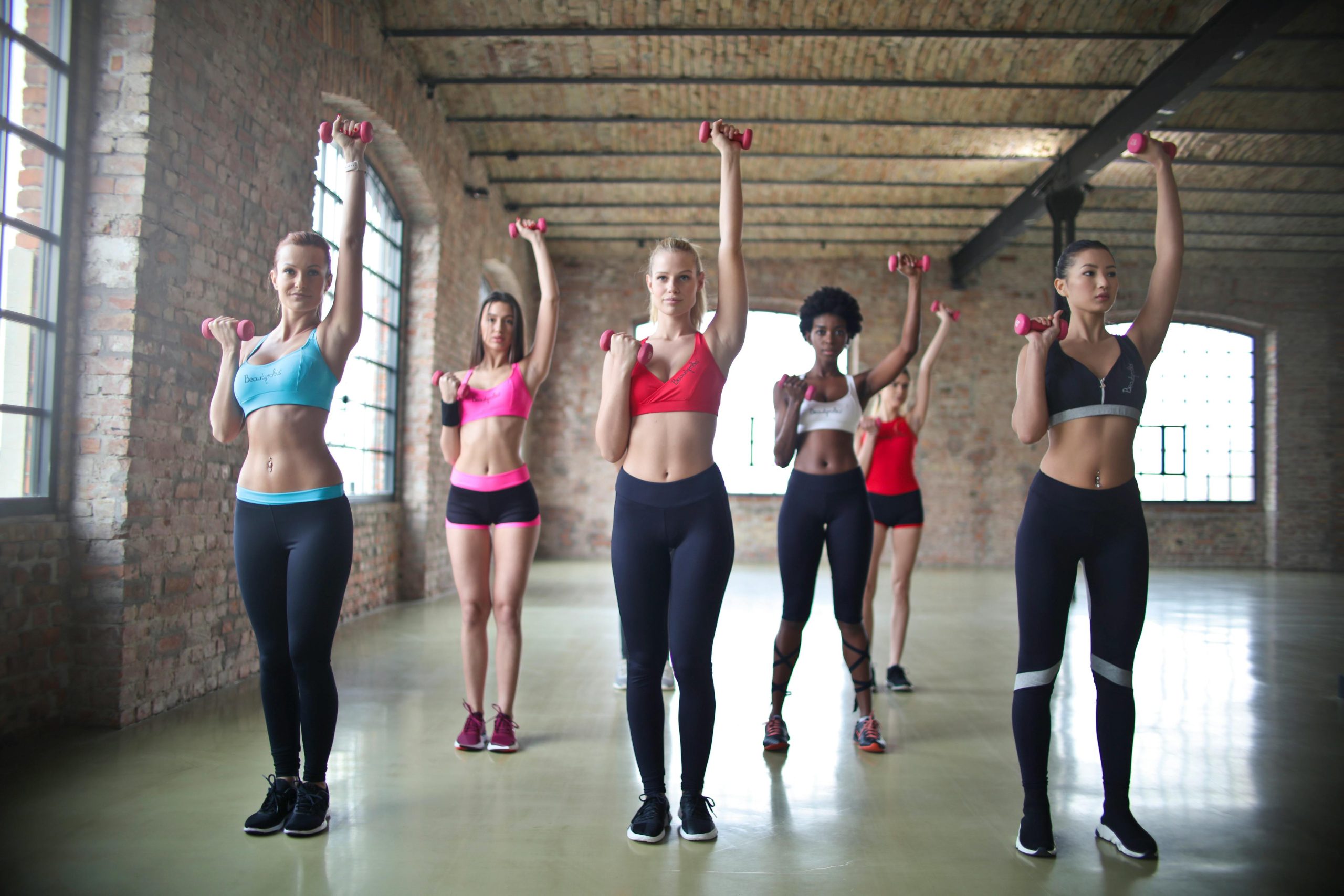

Dance is one of the most complete physical workouts a child’s body can experience — and the science proves it. Here is what is actually happening inside your child every time they step onto the studio floor.
There is a moment, familiar to parents everywhere, when a child who has just come home from a dance class collapses happily onto the sofa — flushed, sweaty, and inexplicably cheerful. They do not feel as though they have been exercising. They feel as though they have been doing something they love. And yet, in the sixty minutes just passed, their cardiovascular system has been strengthened, their muscles have been challenged, their joints have been mobilised, their nervous system has been sharpened, and a set of physical habits has been quietly formed that research suggests will follow them for the rest of their lives.
Dance is, by almost every measurable standard, one of the most complete and effective forms of physical activity available to a growing child. It is also one of the few forms of exercise that children actively want to do — which, as any parent who has tried to enforce a gym routine will appreciate, is no small thing.
This blog unpacks what the science actually says about dance and physical fitness in children: the cardiovascular benefits, the strength gains, the flexibility outcomes, the development of body awareness, and — perhaps most importantly — why dance creates fitness habits that last a lifetime in a way that most other activities do not.
📱 The Context: Why This Matters More Than Ever
Before exploring what dance does for a child’s body, it is worth understanding the landscape it is working against. Globally, children are moving less than any previous generation in recorded history. The World Health Organization reports that most children fail to engage in the recommended sixty minutes of moderate-to-vigorous physical activity per day. Research involving almost 300,000 children found that watching television for just one to three hours per day led to a 10–27% increase in obesity risk. Over 60% of adolescents now spend more than seventy minutes per day on video games alone.
The consequences are not abstract. The development of chronic diseases including coronary heart disease, cardiovascular disease, type 2 diabetes, and hypertension starts in childhood and adolescence — meaning that the physical habits formed between ages five and fifteen are not just relevant to today’s health, but to the health of the adult that child will become.
In this context, finding a form of physical activity that children will actually do consistently, enthusiastically, and over the long term is not a luxury. It is one of the most important health decisions a parent can make. And dance — uniquely among most physical activities — has a proven track record of delivering exactly that.
❤️ Cardiovascular Health: Building a Stronger Heart
Dance is classified as aerobic exercise — activity that raises the heart rate and sustains it over time, training the cardiovascular and respiratory systems to work more efficiently. Dance routines increase cardiovascular endurance, giving children the opportunity to boost their heart health through movement. But the scale of that benefit is striking.
An Australian study of 48,000 participants found that moderate-intensity dancing reduced the risk of dying from cardiovascular disease by 46% compared to people who rarely or never dance — a figure that rivals or exceeds the cardiovascular benefit of many conventional exercise forms. Higher levels of cardiorespiratory fitness in childhood and adolescence are associated with a healthier cardiovascular profile in later life, meaning that the heart your child trains today is the heart they will carry into adulthood.
Dance improves muscle strength, cardiovascular endurance, and joint flexibility, while having beneficial effects on physical condition by increasing muscle mass, reducing subcutaneous fat tissue, and improving the functioning of cardiovascular, respiratory, and metabolic systems. For children specifically, cardiorespiratory fitness in the general population has been on a steady decline, and modern dance is seen as a viable means of arresting or even reversing this negative trend.
What makes dance particularly effective as a cardiovascular training tool for children — compared to, say, running or cycling — is its inherent variability. A dance class naturally alternates between high-intensity bursts (jumps, fast sequences, dynamic transitions) and lower-intensity moments (learning new choreography, watching the teacher demonstrate, holding a position). This interval-like structure is precisely what exercise physiologists recommend for developing cardiovascular fitness efficiently, and it happens organically within a dance session without any child ever thinking about it in those terms.
What This Looks Like in Practice
In a typical sixty-minute dance session at a well-structured academy, a child might spend twenty to thirty minutes in moderate-to-vigorous physical activity — the equivalent of a meaningful cardio workout. A study of adolescent girls enrolled in structured dance classes found that dancing accounted for 29% of their weekly moderate-to-vigorous physical activity. For many children in urban environments like Dubai, a dance class may represent one of the most significant sources of sustained physical activity in their entire week.
“Dance is cardiovascular training disguised as something your child actually wants to do. That is not a small thing — it is everything.”
💪 Strength Building: More Powerful Than It Looks
When people think of strength training for children, they tend to think of weights, resistance bands, or gymnastics. Dance rarely makes that list — but it should. Dance is a full-body workout that engages a variety of muscle groups and encourages children to use their entire bodies. As young dancers learn new movements and sequences, they build strength in their legs, arms, and core, improving overall muscular development.
A 2024 study published in Frontiers in Public Health — one of the most comprehensive recent investigations into dance and physical fitness in children — found that structured dance programmes produced significant gains in muscular strength and explosive power in school-aged girls. Compared to ballet dancers, both males and females that regularly partake in modern dance are typically stronger and can in many cases easily compare in strength with other athletes. The specific demands of dynamic dance movement — jumps, turns, lifts, balances, directional changes — develop strength in ways that are genuinely comparable to conventional athletic training.
The research also highlights why strength development in childhood matters beyond physical performance. Muscle fitness is inversely related to obesity, cardiovascular diseases, and metabolic risk factors, with a positive association with bone health. Building muscular fitness during childhood is not just about how a child performs in a dance recital — it is about establishing the physical foundation that will protect them from chronic disease across their lifetime.
Core Strength and Postural Development
One of the most significant but least visible benefits of dance for children’s strength is its impact on core stability and posture. Every dance style — from ballet to hip hop to contemporary — requires dancers to maintain controlled, aligned, and supported positions of the spine and trunk. Children who dance regularly develop core strength that improves their posture, reduces back pain risk, and supports healthy musculoskeletal development through the critical growth years.
In a world where children are spending increasing hours hunched over screens, the postural corrective effect of dance training is more valuable than ever. Parents frequently notice, over months of dance classes, that their child simply carries themselves differently — taller, more centred, more physically confident. This is not incidental. It is the direct result of systematic core and postural training embedded in every class.
Leg and Lower-Body Power
Dance is particularly effective at developing lower-body strength. Pliés, relevés, jumps, lunges, and the sustained weight-bearing of balance work all challenge the quadriceps, hamstrings, glutes, and calves in ways that build genuine functional strength. This lower-body power has benefits that extend far beyond the studio — into sport, play, and the physical demands of everyday life. Children who dance tend to be faster, more agile, and better equipped physically for every other physical activity they engage in.
🤸 Flexibility: Range of Motion for Life
Many dance moves involve stretching and bending, helping children increase their range of motion in a safe and supportive environment. These physical benefits not only support a child’s overall health but also benefit them in other physical activities and sports.
Flexibility is one of the most undervalued components of physical fitness — and one of the most consequential. A child who develops good flexibility during their formative years is a child who will be less susceptible to musculoskeletal injury across their lifetime, who recovers faster from physical exertion, and who maintains a range of motion into adulthood that many sedentary peers will lose entirely.
Dance training develops flexibility through two distinct mechanisms. Active flexibility — the range of motion a dancer can achieve through their own muscular effort — is built through the dynamic stretching embedded in warm-ups and choreography. Passive flexibility — the range available when muscles are relaxed and gently extended — is developed through the sustained stretches that form a core part of every dance class structure. Both types are developed systematically in a well-taught dance programme, producing improvements that accumulate gradually and visibly over months of consistent training.
Injury Prevention and Joint Health
Flexibility training, particularly as part of a balanced programme that also develops strength and coordination, is one of the most effective forms of injury prevention available to young athletes. Flexible muscles and mobile joints absorb impact more effectively, are less susceptible to tears and strains, and recover more quickly from the demands of physical activity. Explosive strength, as developed through dynamic dance movements including jumps and turns, improves flexibility and coordination, as well as general physical fitness.
For parents in Dubai whose children participate in multiple physical activities — football, swimming, martial arts, cycling — dance flexibility training acts as a powerful complement to those activities, reducing injury risk and supporting physical performance across all of them.
🧍 Body Awareness: Knowing Yourself From the Inside Out
Body awareness — the technical term is proprioception — is the ability to sense and understand where your body is in space, how it is moving, and what each part is doing at any given moment. It is one of the most fundamental physical skills a human being can possess, and one of the least explicitly taught in conventional physical education.
Dance is, at its core, an education in body awareness. Every class asks a child to notice their body in extraordinary detail: the angle of an arm, the alignment of a hip, the weight distribution between two feet, the relationship between a raised leg and a stable core. Over time, this detailed, attentive relationship with the body becomes deeply internalised — and its benefits reach far beyond the dance studio.
Balance and Coordination
A 2025 study published in BMC Public Health, following 192 adolescent girls through a 14-week structured dance intervention, found significant improvements in bilateral coordination, balance, running speed and agility, upper-limb coordination, and fine motor integration compared to a control group who did not participate in dance. These are not narrow or specialised skills — they are foundational movement competencies that underpin every physical activity a child will ever engage in, from sport to play to the physical demands of daily life.
Children with well-developed balance and coordination are more physically confident, more willing to try new physical challenges, and less likely to suffer the kind of minor accidents and falls that are a source of injury for less physically literate children. Dance develops these qualities through systematic, progressive challenge — beginning with simple balances and positions and gradually introducing greater complexity, instability, and demand.
Spatial Awareness and Kinaesthetic Intelligence
Dance also develops spatial intelligence — the ability to navigate and understand space in relation to other people and objects. A child learning group choreography must simultaneously be aware of their own body, the positions of their fellow dancers, the dimensions of the performance space, and their trajectory through it. This multi-layered spatial processing, practiced consistently over months and years, builds a kind of physical intelligence that is genuinely rare and genuinely valuable.
Neuroscientific research shows that expert dancers have measurably stronger activation in the brain regions associated with planning and executing motor actions — and that this neural development has positive impacts on a broad range of cognitive and physical capacities. The mind-body connection that dance develops is not metaphorical. It is structural, measurable, and lasting.
A Healthy Relationship With the Body
Perhaps the most important dimension of body awareness that dance cultivates is a positive, appreciative relationship with the body itself. Dance teaches children to value their bodies not for how they look, but for what they can do — what they can express, achieve, and create. In a culture saturated with damaging messages about body image, this is an immeasurable gift. Research consistently shows that children who engage in dance-based physical activity develop higher levels of body satisfaction and self-esteem than those who participate in appearance-focused fitness activities — because dance frames the body as an instrument of expression, not an object of evaluation.
“Dance teaches children that their body is not something to be judged — it is something to be inhabited, explored, and celebrated. That lesson, once learned, tends to last a lifetime.”
🌱 Lifelong Fitness Habits: The Benefit That Outlasts Childhood
All of the physical benefits described above are significant. But the most important benefit of dance for a child’s long-term health may be less visible than any of them: the formation of a genuine, intrinsic relationship with physical activity that persists into adulthood.
The research on physical activity and lifetime health outcomes is clear and consistent. Adults engaged in regular physical activity have lower rates of chronic disease including coronary heart disease, cardiovascular disease, type 2 diabetes, hypertension, osteoporosis, and some cancers, and are less likely to die prematurely. Growing evidence points to long-term effects of child and adolescent physical activity on adult morbidity and mortality. The habits formed during childhood are not simply relevant to a child’s current health — they are among the most powerful predictors of the health of the adult that child will become.
The challenge is that most forms of childhood exercise — competitive sports, PE classes, gym programmes — are extrinsically motivated. Children participate because they are required to, because a team depends on them, or because they are pursuing a specific athletic goal. When those external structures disappear — as they often do in adolescence and young adulthood — the physical activity disappears with them.
Dance is different. The high participation rate and ease of acceptance and performance made dance interventions a sustainable and flexible alternative mediator to increase physical activity. Children dance because they love it. Because it makes them feel alive, expressive, capable, and connected to other people. These are intrinsic motivations — and intrinsic motivations are the ones that survive the transition out of childhood structures and into adult life.
Building the Exercise Identity
Researchers in physical activity psychology have identified something they call the “exercise identity” — the degree to which a person sees being physically active as a core part of who they are. People with strong exercise identities are dramatically more likely to maintain physical activity across their lifetime, regardless of life changes, competing demands, or motivational fluctuations.
Children who grow up dancing tend to develop exercise identities that include movement as a fundamental part of self-expression and wellbeing. When they become adults, they do not experience physical activity as a chore to be scheduled — they experience its absence as something missing. These elements are especially crucial for young dancers because they can encourage a lifetime commitment to fitness.
Dance as a Gateway to Wider Physical Literacy
Children who dance also tend to be more physically active in general — more willing to try new sports and physical activities, more confident in their bodies, and better equipped physically to participate in whatever form of movement calls to them as they grow. Dance develops what physical education researchers call “physical literacy” — the fundamental movement skills, physical confidence, and positive relationship with activity that enable a person to engage in physical life fully and joyfully across their entire lifespan.
This is perhaps the most compelling argument for enrolling a child in dance: not just the cardiovascular gains, or the strength, or the flexibility, but the formation of a person who will be physically active, healthy, and embodied for the rest of their life — because movement, for them, is not a duty. It is a joy.
At a Glance: What Dance Delivers for Your Child’s Body
- Cardiovascular health — stronger heart, improved endurance, reduced long-term disease risk
- Muscular strength — full-body strength development comparable to athletic training, with particular gains in core stability, leg power, and postural support
- Flexibility — improved range of motion, reduced injury risk, and joint health that benefits every other physical activity
- Balance and coordination — bilateral coordination, spatial awareness, and fine motor integration that underpin all physical competence
- Body awareness — a deep, attentive, and positive relationship with the body as an instrument of expression and capability
- Lifelong fitness habits — intrinsically motivated physical activity that research suggests persists into and throughout adulthood
The Bottom Line for Parents
If you are looking for a form of physical activity that your child will actually show up for, week after week, with genuine enthusiasm — and that will simultaneously strengthen their heart, build their muscles, develop their flexibility, sharpen their coordination, nurture their body awareness, and set them up for a lifetime of healthy physical engagement — dance is one of the most complete answers available.
It does not feel like a workout. It feels like one of the best parts of the week. And it produces physical outcomes that rival those of dedicated athletic training — with the added dimension of artistic, emotional, social, and cognitive development that no gym session can replicate.
Your child’s body is capable of extraordinary things. Dance gives it the chance to discover that.
“The child who dances is not just getting fit. They are learning, in the deepest possible way, that their body is something to be celebrated — and that movement is one of life’s great pleasures.”