
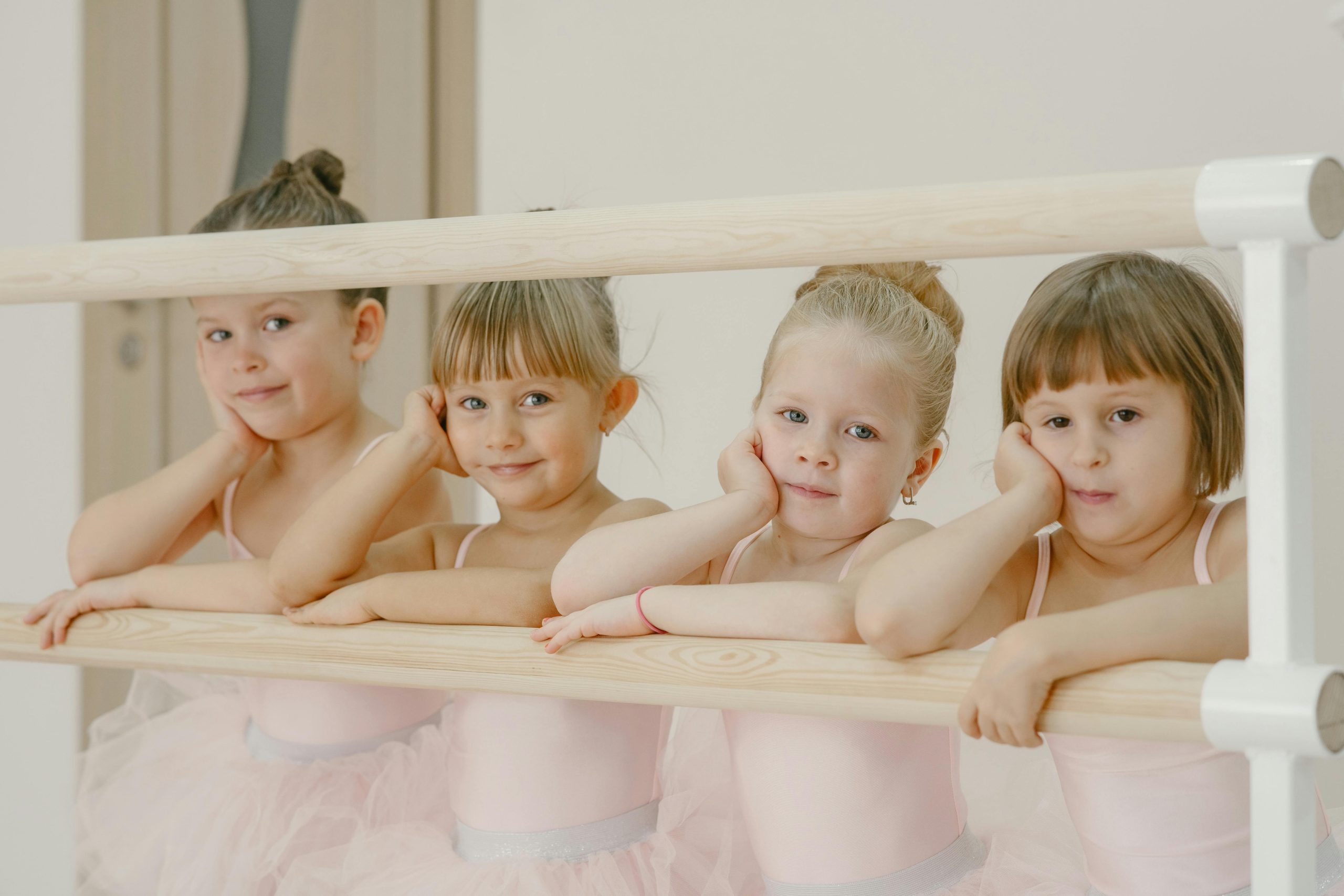

“My child isn’t a dancer.”
We hear this often from parents considering dance classes. Usually, it’s followed by:
- “They’re too shy.”
- “They’re not graceful.”
- “They’re more into sports.”
- “They’re too energetic/calm/clumsy.”
Here’s our response: There’s no such thing as “not a dancer.” Every child can dance. Every child should dance.
Here’s why.
Dance is for Every Body
The Myth: Dancers must be thin, flexible, naturally graceful and have started at age 3.
The Reality: Dance is for all body types, flexibility levels, and starting ages. The goal isn’t professional ballet—it’s healthy development through movement.
What We See:
At Gigsquare, our dance students include:
- Energetic children who struggle to sit still
- Quiet children building confidence
- Athletes improving coordination
- Students with different body types
- Beginners starting at 5, 10, or 15
All of them are dancers. All of them benefit.
Physical Benefits
1. Coordination & Motor Skills
Dance develops:
- Gross motor skills (large movements)
- Fine motor control (precise movements)
- Bilateral coordination (both sides working together)
- Spatial awareness (understanding body in space)
Real-World Transfer: Better coordination helps in sports, handwriting, and daily activities.
2. Strength & Flexibility
Contrary to belief, dancers are athletes:
- Core strength from balance work
- Leg strength from jumps and turns
- Flexibility from stretching
- Endurance from sustained movement
Without Gym Boredom: Children develop fitness while having fun—they don’t realize they’re “exercising.”
3. Posture & Body Awareness
Dance training creates:
- Better posture (reduces slouching)
- Awareness of body alignment
- Understanding of healthy movement
- Injury prevention knowledge
Dubai Relevance: With increased screen time, proper posture development is more important than ever.
Cognitive Benefits
1. Memory & Sequencing
Learning choreography requires:
- Remembering sequences (working memory)
- Following multi-step instructions
- Translating visual to physical (demonstration to execution)
- Organizing information mentally
Academic Transfer: These same skills help with
- Following classroom instructions
- Organizing essays
- Remembering study material
- Sequential math problems
2. Spatial-Temporal Skills
Understanding:
- Where your body is in space
- How you move through space
- Relationship to other dancers
- Timing and rhythm
Real-World Application: Spatial skills support mathematics, geometry, and problem-solving.
3. Focus & Concentration
Dance class requires:
- Sustained attention (hour-long classes)
- Filtering distractions
- Mental and physical engagement simultaneously
- Remembering corrections and applying them
Study Skills: These translate directly to academic focus and study habits.
Emotional & Social Benefits
1. Confidence Building
Dance develops confidence through:
- Mastering difficult moves
- Performing for others
- Receiving positive feedback
- Seeing physical progress
For Shy Children: Dance provides non-verbal expression, building confidence gradually in supportive environments.
For Outgoing Children: Dance channels energy positively while teaching discipline and respect.
2. Emotional Expression
Dance allows:
- Physical expression of emotions
- Healthy outlet for energy and feelings
- Creative interpretation
- Non-verbal communication
Especially Valuable For:
- Children who struggle with verbal expression
- Teens navigating complex emotions
- Anyone needing stress relief
3. Social Skills
Group dance classes teach:
- Cooperation and teamwork
- Respecting others’ space
- Supporting peers
- Working toward group goals
- Following group norms
Without Social Pressure: Unlike team sports with winning/losing, dance creates collaborative rather than competitive social environments.
Creative Development
1. Artistic Expression
Dance is art:
- Interpreting music physically
- Making creative choices
- Developing personal style
- Understanding aesthetics
2. Improvisation & Problem-Solving
Many dance styles include:
- Free movement exploration
- Creating your own choreography
- Solving movement “puzzles”
- Trying different approaches
3. Cultural Awareness
Dance education exposes students to:
- Different cultures (cultural dances)
- Historical periods (classical ballet, jazz era)
- Diverse music styles
- Global artistic traditions
Different Styles, Different Benefits
Ballet:
- Discipline and structure
- Precise technique
- Grace and posture
- Foundation for all dance
Hip Hop:
- Creative expression
- Contemporary culture
- High energy outlet
- Confidence and swagger
Contemporary:
- Emotional storytelling
- Creative movement
- Artistic interpretation
- Fluidity and expression
Jazz:
- Performance skills
- Musical theater connection
- High-energy fun
- Stage presence
Creative Movement (Ages 5-7):
- Introduction through play
- Body awareness basics
- Following instructions
- Social interaction
Dance vs. Other Activities
Why Dance Over Sports:
Not “instead of” but “in addition to”:
- Develops different skills
- Less injury risk
- No pressure to win
- Artistic, not just athletic
- Social without competition
Why Dance Over Other Arts:
Dance uniquely combines:
- Physical activity (unlike music, visual arts)
- Artistic expression (unlike pure sports)
- Social interaction (unlike individual lessons)
- Immediate feedback (your body shows progress)
Common Parent Concerns Addressed
“My son won’t want to do dance.”
Many boys resist at first, then:
- Discover hip hop or contemporary
- Realize dancers are athletes
- Enjoy the physical challenge
- See professional male dancers as role models
Male dancers develop strength, coordination, and confidence—all valuable for any path.
“My child is too clumsy.”
Dance improves coordination. Clumsiness is lack of body awareness—exactly what dance develops!
“We can’t afford it.”
Consider:
- Health benefits (reducing future medical costs)
- Confidence and social skills (priceless)
- Cognitive development (supports academic success)
- Our free month trial (ages 5-15, try risk-free)
- Group classes (more affordable than individual)
“Too busy with school”
Dance actually helps academic performance:
- Better focus in class
- Improved memory
- Stress relief
- Physical activity benefiting brain function
60 minutes weekly can enhance, not hinder, academic success.
When Gigsquare Opens
Upon commencement of operations, Gigsquare Arts Academy plans to offer:
- Qualified dance instructors with professional training
- Spacious dance studio with appropriate equipment
- Age-appropriate dance programming
- Supportive, non-competitive learning environments
All programs are subject to instructor availability, facility completion, and operational readiness.
Planned Dance Styles (Subject to Confirmation):
- Ballet
- Hip Hop
- Contemporary
- Jazz
- Creative Movement (ages 5-7)
Program availability may be phased in following opening and is subject to change.
Disclaimer:
This article provides general educational information about the benefits of dance education. It does not constitute medical, therapeutic, or educational advice specific to any individual. Gigsquare Arts Academy is not yet operational.
References to academy programs, facilities, or student outcomes represent planned offerings subject to change without notice. Actual program availability, instructor qualifications, facility specifications, and student results cannot be guaranteed.
Dance instruction carries inherent physical risks. Proper supervision, appropriate technique instruction, and suitable facilities are essential. Individual results vary based on multiple factors including student effort, physical condition, instructor quality, and consistency of attendance.
Parents should consult healthcare providers before enrolling children in physical activities, particularly if medical conditions or physical limitations exist.
Research regarding dance benefits represents general trends and may not apply to all students or contexts.
Final Thought:
Dance education offers potential benefits for physical, cognitive, and social-emotional development. When Gigsquare Arts Academy opens, we aim to provide quality dance instruction in appropriate facilities with qualified instructors.
For updates on opening date and program availability, join our mailing list or contact us directly.